
Keno: Simple Number-Draw Guide | AAAAPh
Keno is a quick number-draw cards game built around choosing a set of numbers and seeing how those picks compare with a draw. The key to enjoying a round is understanding its selection limits, prize table, and pace before committing a stake.
In short, choose only the numbers and stake allowed by the game screen, confirm the displayed rules, then let the draw resolve; no selection method can guarantee a result.
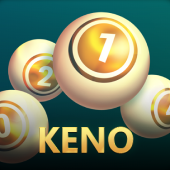
Keno at a glance: four cards picks
A steady way to approach Keno rounds
Start with the round instructions, not a hunch. Keno is a draw-based game: the outcome is determined by the draw, while your choices define which results count as a match. Before starting, review the available number range, how many picks are permitted, how many numbers are drawn, and the paytable for each match count. Exact settings may differ between versions, so use the active game's own rules as the source of truth.
For a first visit, browse the Keno Demo option if it is available to you. A demo can help you understand the controls and round sequence without treating practice as evidence that a particular number will appear. Keep the same selection for a few practice rounds if that makes the interface easier to learn, or change picks simply to become familiar with the selection panel.
When you are ready to play, choose a stake that fits a budget set in advance. Check the total wager shown on screen, confirm the number of picks, and only then start the draw. A larger selection or stake can change the payout table and the amount at risk; it does not make a future draw predictable. If the interface displays a promotional offer, inspect its terms separately before deciding whether it suits you.
AAAAPh Keno is best approached as entertainment with uncertain outcomes. Treat each round as independent unless the published rules explicitly state otherwise, and never increase a stake to recover a previous loss. For broader navigation around the site, read about Gates Of Olympus 1000 as another game listing, compare the fast choice format of Color Game, or see a different style in Horde 2 Winter. Each link leads to its own game page, while the rules and pace of Keno remain distinct.
Build a clear Keno routine before playing
A useful Keno routine is simple: learn, set limits, check, and stop on schedule. Begin with the help panel or paytable. Identify how the game describes a winning match and whether the displayed return depends on the number selected, the number drawn, or the stake. If an instruction is unclear, pause rather than guessing.
- Choose a comfortable number of picks. More selections may create more possible match combinations, but they can also have different odds and payout values. Compare the paytable instead of assuming that more picks are automatically better.
- Set a session budget. Decide the maximum amount and length of time before you begin. Use only entertainment money and keep essential expenses separate.
- Verify the total stake. Check the bet amount for the complete round, not just the per-selection value. Confirm it once more before pressing the control to draw.
- Review the result calmly. A near match is not a signal or a promise about the next draw. Random outcomes do not remember earlier rounds.
- Take a break at your preset limit. Stop when time or budget is reached, whether the session is going well or poorly.
For a practical comparison, Keno gives players control over their selected numbers, while a title such as Color Game uses a different kind of choice and presentation. Neither format changes the importance of reading its own rules. A Keno Demo can be helpful for learning the buttons, but practice results do not forecast real-money rounds or remove uncertainty.
If you open aaaaph promotions while browsing, review eligibility, expiry dates, and any wagering conditions before opting in. An offer is separate from the game's draw mechanics. Make decisions based on your limits, not a deadline, bonus label, streak, or prediction from another player.
Keno questions players should settle first
What is the basic objective?
Select the number of entries allowed by the interface, then compare your selected numbers with the draw. The game-specific paytable explains how different match counts map to an outcome. Always use the rules shown in the current version because selection ranges and prize tables can vary.
Can a Keno Demo teach a winning strategy?
A demo can teach navigation, selection, and how a result is displayed. It cannot reveal a dependable winning pattern: each draw is uncertain, and previous outcomes do not make a future result due. Use practice to understand the mechanics, not as a promise of profit.
Should I pick the same numbers every time?
That is a personal preference, not an advantage. Random draws do not favor numbers because they have been selected repeatedly, and changing a selection does not guarantee improvement. Choose in a way that makes the game easy to follow, then stay within your limit.
Where can I confirm the stake and rules?
Check the game screen before each round, including the rules, paytable, selected entries, and total wager. If the amount or prize terms are not clear, do not start until you understand them. AAAAPh link navigation can take you to the platform, but it does not replace those in-game details.
Does a promotion change the draw?
No promotion should be treated as a predictor of a Keno result. Read the offer's full conditions, including qualification and wagering terms, and decide independently whether to use it. Promotional terms do not make a round certain or guarantee a return.
These answers focus on the Keno experience rather than promising outcomes. If you want to compare another format after reading, the listing for Horde 2 Winter offers a separate game experience. Return to Keno only when you are comfortable with its rules and your planned limit.
What gives Keno its measured pace?
Keno's appeal is the short cycle between making a selection and seeing a draw. That straightforward rhythm makes it easy to understand the basic sequence, while the number panel and paytable invite a closer look at how a chosen set of entries is evaluated. The focus is on the selection and reveal, rather than a long series of controls.
The visual experience may vary by version, but the core pattern remains familiar: inspect the available numbers, make your picks, see the draw, and review the result. Clear labels and a visible wager help players stay oriented. Take a moment to check the selected numbers after using any quick-pick or repeat option; a small confirmation step can prevent a mistaken stake.
Those who enjoy taking time over a set of choices may appreciate the deliberate feel, while anyone seeking a purely passive experience might prefer a different pace. Keno is not a test of intuition and a favorite number is not more likely to appear simply because it feels meaningful. The experience is most comfortable when each round is treated as an independent event.
On aaaaph Keno, consider the available controls, instructions, and responsible-play settings before starting. The Keno Demo, when available, provides a low-pressure way to learn where information appears. It is not a simulation that can guarantee the behavior of every later round, and its results should not be used to justify a higher stake.
The practical value and limits of Keno
Keno is useful for players who prefer a simple selection-and-draw format, but it has no dependable shortcut to a win. Its basic flow is easy to follow, and reviewing the paytable before a round helps clarify what a match means. That accessibility should not be confused with predictability: a draw remains uncertain and a sequence of earlier results offers no reliable forecast.
What can work well
- A compact round structure makes it straightforward to learn the sequence and locate the result.
- Players can choose a selection style that feels easy to track and check it before confirming.
- A displayed rules panel and paytable give a basis for understanding how outcomes are assessed.
- A Keno Demo, if offered, can help familiarize new players with the interface at a practice pace.
What to keep in mind
- No number system, personal pattern, or previous draw can guarantee a future match.
- Payouts, selection limits, and stake rules may differ by version, so estimates should come from the active paytable.
- A fast round can encourage repeated play; a time and spending limit helps keep the session intentional.
- Promotional conditions can add requirements and should be understood before opting in.
Think of aaaaph Keno as entertainment rather than a way to earn income. Keep the Keno Demo separate from paid play in your expectations, never chase a loss, and step away if the session stops feeling enjoyable. If gambling is causing stress, pause and seek support from a trusted person or an appropriate local service.
For account access or other general site questions, use the site's help information and verify the destination before entering personal details. Any aaaaph link should be opened deliberately, and you should avoid sharing passwords or verification codes. A responsible session begins with understanding both the game and your own boundaries.
A final checklist for your Keno session
Before beginning, confirm that you are of legal age where you live and that this activity is permitted in your location. Read the current game's rules, understand the stake shown for the complete round, and choose a fixed budget and time limit. Do not use money intended for bills, savings, or other necessities.
During play, keep decisions steady. Avoid increasing a stake because of a near miss, a winning streak, or a belief that a number is overdue. If you use a Keno Demo to explore the controls, remember that its main purpose is familiarity with the interface. The results are not a forecast, and no outcome is certain.
After the session, stop at the limit you set even if you want to continue. If keeping to a limit becomes difficult, take a break and consider using available responsible-play controls or seeking help. A calm, informed approach matters more than the number of rounds played.
When you are ready to review the game itself, check the displayed paytable and round details again. If anything remains uncertain, wait until it is clear. AAAAPh promotions and other site features are optional; they should never be a reason to exceed a personal budget or play longer than intended.